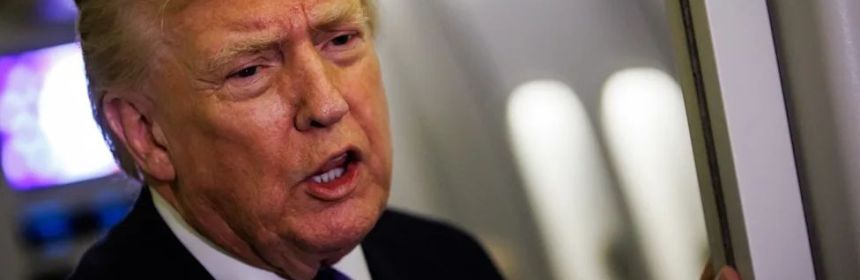
Trump Posts Photo of Dead Falcon in Israel and Says, ‘Windmills Are Killing All of Our Beautiful Bald Eagles!’

President Donald Trump posted a photograph on Tuesday claiming windmills kill bald eagles, but the image actually depicts a falcon from Israel, not an American bald eagle. Google Lens traced the dead bird photo to Israeli news sources Haaretz (2017) and The Times of Israel (2019), both crediting the Israel Nature and Parks Authority; Haaretz identified it as a falcon, while The Times of Israel specified a kestrel.

Trump’s opposition to wind turbines dates to at least 2012, when he testified against their installation near his Turnberry golf resort in Scotland. After 11 turbines were eventually built, Trump denounced them as “some of the ugliest you’ve ever seen.” He has made baseless claims that windmills cause cancer, stating in 2019 that “the noise causes cancer,” and in July called them “a disgrace,” claiming they are inefficient and the most expensive energy source.

Trump’s assertion that windmills kill bald eagles contradicts factual record and mirrors his broader pattern of making demonstrably false claims about wind power, including allegations they damage the ozone layer. His long-standing vendetta against wind energy appears rooted in personal business interests rather than environmental or wildlife conservation concerns.

(Source: https://www.yahoo.com/news/articles/trump-posts-photo-dead-falcon-005211969.html)

Trump Tells Child Coal Is “Clean” Who Said She Doesn’t Want Coal for XMas

During a Christmas Eve call with children across the country coordinated through NORAD, Trump contested a Kansas girl’s preference against receiving coal as a gift. When the child, Amelia, stated she did not want coal, Trump interjected to promote “clean, beautiful coal,” a false claim he has repeated since his first term despite the absence of coal technology that burns without environmental harm.

Trump told Amelia that “coal is clean and beautiful, please remember that at all costs,” despite scientific consensus establishing that coal combustion produces significant greenhouse gas emissions and air pollution. The exchange occurred as part of Trump’s broader effort to normalize coal as a viable energy source, contradicting established environmental science and public health data on fossil fuel impacts.

The interaction reflects Trump’s pattern of using high-profile moments to promote discredited environmental claims. His assertion about “clean coal” technology has been central to his energy messaging despite the absence of commercially viable processes that eliminate coal’s documented environmental and health consequences.

During the same call session, Trump also told a Pennsylvania boy that the state was “great” and claimed he won it “three times,” though Trump won Pennsylvania in only two of the three general elections from 2016 to 2024. The inaccuracy reflects Trump’s tendency to distort electoral history when addressing audiences, including children.

The Christmas Eve calls continued Trump’s established practice of using holiday traditions for political messaging. In 2018, Trump famously questioned a seven-year-old about believing in Santa, demonstrating his discomfort with boundaries between political promotion and children’s holiday experiences.

(Source: https://www.mediaite.com/politics/trump/trump-rebuts-child-who-said-she-doesnt-want-coal-for-christmas-coal-is-clean-and-beautiful-please-remember-that/)

National Park Service Adds Trump’s Birthday as Fee-Free Day

The National Park Service (NPS) has eliminated Juneteenth and Martin Luther King Jr. Day as fee-free admission days, instead designating President Donald Trump’s birthday as a new fee-free day. This change affects over 11 sites managed by the NPS in Georgia, such as the Chattahoochee National Recreation Area and Kennesaw Mountain.

In addition to Trump’s birthday, other new dates for free admission in 2026 include Presidents’ Day, Memorial Day, Independence Day weekend, and special birthdays for the NPS and Theodore Roosevelt. Significant previously designated fee-free days like National Public Lands Day and anniversaries related to the Great American Outdoors Act have also been removed from the list.

Alongside these changes, nonresidents will face a new fee structure, including a $100 charge for each individual aged 16 and older, alongside standard entrance fees at several parks, though this does not apply to locations in Georgia. The directive has garnered criticism, emphasizing a shift in the NPS’s approach to commemorating important historical milestones and promoting inclusivity.

This decision, particularly the elevation of a controversial figure’s birthday while sidelining civil rights milestones, has sparked backlash from various communities advocating for the equitable representation of all Americans in national spaces.

(Source: https://www.wabe.org/national-park-service-removes-juneteenth-mlk-day-as-fee-free-days-adds-trumps-birthday/)

Trump to Roll Back Fuel Economy Standards, Threatening Environment

President Donald Trump is preparing to announce a substantial rollback of national fuel economy standards this Wednesday at the White House, aiming to weaken the environmentally-focused regulations established during President Joe Biden’s administration. The proposed changes by the National Highway Traffic Safety Administration (NHTSA) include lowering the fuel-efficiency requirements for vehicles slated for 2022 to 2031, a move that contradicts efforts to lower emissions and reduce gasoline consumption.

Transportation Secretary Sean Duffy previously ordered NHTSA to rescind Biden-era standards and ceased penalties for automakers that fail to meet fuel economy targets. This rollback is positioned as a strategy to alleviate production costs for companies, such as Ford and General Motors, while simultaneously reversing a 64 billion gallon fuel consumption reduction that was projected under the previous rules.

Critics note that Trump’s changes undermine essential climate policies and public health measures. The previous fuel-efficiency standards were estimated to deliver net benefits of $35.2 billion for drivers and substantially curtail emissions, raising serious ethical concerns over environmental degradation as the administration pivots toward fossil fuel interests, evidenced by other deregulatory actions involving electric vehicle tax credits and state authority over emissions.

With the rollback, officials indicate the new regulations will likely lead to a decrease in the price of new vehicles, potentially saving consumers as much as $1,000. However, the long-term consequences include heightened carbon emissions and a failure to meet climate goals, raising alarm among environmental advocates and countering global progress on reducing fossil fuel reliance.

This rollback signifies a broader trend within the Trump administration to prioritize corporate interests over environmental protections, despite ongoing warnings from experts about the dire implications of climate inaction.

(Source: https://ground.news/article/trump-administration-to-propose-significant-rollback-in-fuel-economy-standards-report)

Trump EPA Abandons Vital Fine-Particle Pollution Regulation

The Environmental Protection Agency (EPA), under the Trump administration, is set to abandon a crucial regulation aimed at limiting fine-particle pollution, a decision met with significant backlash from scientists and experts. This rule, which was solidified during the Biden presidency, established stricter guidelines on fine particulate matter, notably soot, which is recognized as the deadliest air pollutant in the U.S.

In a recent announcement, the EPA justified its move by claiming the prior administration lacked the authority to enforce these tighter regulations. Critics argue that this reversal will likely result in increased air pollution and associated health risks, potentially leading to more premature deaths across the country.

Scientific consensus indicates that fine particulate matter is linked to serious health issues, including respiratory and cardiovascular problems. The rollback of these protections could exacerbate existing public health crises, raising alarms among environmental advocates.

The Biden-era rule was implemented to protect vulnerable communities disproportionately affected by air pollution, specifically in urban and industrial areas. Environmental advocates are now warning that this latest action undermines years of progress in combating air quality issues and upholding public health standards.

This development reflects a broader trend under the Trump administration of prioritizing deregulation at the potential expense of environmental health and safety, which has drawn widespread condemnation from public health officials and environmentalists alike.

Trump Administration Moves to Weaken Endangered Species

The Trump administration is once again attacking environmental protections by proposing to roll back Biden-era safeguards for endangered species. The Interior Department’s Fish and Wildlife Service, along with NOAA’s National Marine Fisheries Service, announced a plan aimed at reinstating rules from Trump’s first term that significantly weakened protections for species at risk from human activity and climate change.

This new proposal allows economic considerations to take precedence when determining which endangered species should be granted protection, effectively prioritizing corporate interests over environmental needs. Moreover, it seeks to eliminate the “blanket rule” that extended protections to species identified as threatened, a change likely to have dire consequences for vulnerable wildlife.

Industry groups, who have argued that existing environmental regulations hinder major development projects, are supporting Trump’s reckless initiative. Interior Secretary Doug Burgum framed this rollback as restoring the Endangered Species Act to its “original intent,” dismissing the catastrophic impacts it could have on the habitat of numerous species.

Environmental organizations have condemned the proposal, warning that it could severely endanger the very species it is meant to protect. According to Defenders of Wildlife’s senior attorney, Jane Davenport, this measure is tantamount to prioritizing profit over preservation, putting animals like the Florida manatee at risk of further decline.

Critics emphasize that public sentiment strongly favors environmental conservation, arguing that Trump’s actions disregard widespread support for protecting biodiversity. Earthjustice attorney Kristen Boyles stated that the administration’s attempts to cater to billionaire interests do not reflect the values of most Americans who prioritize safeguarding the natural world.

Trump Administration Considers Revoking Chaco

The Trump administration is moving towards potentially revoking a two-decade ban on oil and gas development near the Chaco Culture National Historical Park in New Mexico. This decision comes as the Bureau of Land Management has announced plans to initiate formal discussions with local Native American tribes, raising significant concerns among tribal leaders who previously celebrated protections put in place by the Biden administration.

The UNESCO World Heritage site, rich in the historical significance and ancestral lands of numerous tribes, has been the focus of a prolonged dispute regarding energy development. Under Biden, the Department of the Interior had implemented a ban on new oil and gas projects within a ten-mile radius of the park. However, under Trump, there’s a clear shift towards reconsidering these protective measures, raising alarms regarding the ongoing preservation of the site.

In a letter to tribal leaders, the Bureau indicated it will conduct an environmental assessment while considering options to either maintain the existing ban, fully revoke it, or establish a smaller protective buffer. This abrupt change is seen by many tribal representatives as a direct threat to their cultural heritage, with Tribe leaders emphasizing the profound cultural and spiritual connection they maintain with Chaco Canyon.

Past communications have showcased the frustration tribal leaders feel regarding potential rollbacks of protections. Many view the park as central to their identity and preservation of history, and initiatives to exploit the surrounding lands for oil and gas drilling are met with fierce resistance. The Santos Domingo Pueblo leaders have expressed that the mission is not merely about environmental concerns but about maintaining their cultural lineage and identity.

The ongoing pressure from conflicting interests within the region, particularly between the Navajo Nation and other tribes concerning economic benefits from potential drilling, continues to complicate the issue. As legal skirmishes unfold, including a lawsuit by the Navajo Nation alleging inadequate consultation during the Biden administration’s prohibition, the revival of development discussions under Trump’s administration highlights the precarious balance between economic gain and the preservation of sacred lands.

Trump’s Fossil Fuel Favoritism

The Trump administration is offering exclusive assistance to fossil fuel companies, specifically oil and coal, described as a “concierge, white glove service,” to expedite project approvals. This new initiative starkly contrasts the administration’s treatment of renewable energy projects, which face significant slowdowns and blockades. Such preferential treatment raises concerns about the administration’s commitment to transitioning towards green energy and adhering to climate goals.

The “concierge service” was reportedly confirmed by an energy official, who highlighted how this initiative aims to streamline fossil fuel project approvals while renewable projects undergo rigorous scrutiny. This development reflects a troubling alignment with corporate interests, particularly evident under the influence of the Trump administration, known for its pro-fossil fuel stance.

This strategy targets established fossil fuel companies, likely jeopardizing future investments in solar and wind energy. The retreat from supporting clean energy initiatives echoes policies implemented during Trump’s tenure, suggesting a continued prioritization of fossil fuel profits over sustainable environmental policies.

Critics argue that this approach undermines the administration’s climate commitments and could lead to significant setbacks in reducing carbon emissions. The apparent favoritism towards fossil fuel firms showcases a broader trend of pandering to wealthy corporate interests, reminiscent of Trump’s dealings with oil executives, which included promises to act according to their demands.

As the Trump administration continues down this path, it risks alienating the very voters who supported a clean energy promise in exchange for political power. The implications of this fossil fuel favoritism extend beyond environmental concerns, potentially entrenching existing power dynamics that favor the wealthy and undermine equitable policies for the working class.

Trump Pushes Looser Pollution Rules and $625 Million for Coal

The Trump administration is pushing for softer environmental regulations and increased funding aimed at reviving the struggling U.S. coal industry. The Environmental Protection Agency (EPA) plans to delay critical pollution standards that were implemented during President Biden’s term, allowing more harmful substances to be released into waterways.

This rollback on pollution regulations is significant as it would permit power plants to emit toxic substances like mercury and arsenic, potentially increasing cancer rates among affected communities. Furthermore, the Interior Department announced its intention to make over 13 million acres of federal lands available for coal leasing, particularly targeting regions in North Dakota, Wyoming, and Montana.

Accompanying these regulatory loosening efforts, the Energy Department is proposing a substantial investment of $625 million to bolster the coal sector. This funding includes $350 million designated for the recommissioning and retrofitting of coal plants, along with $175 million aimed at fostering projects within rural areas reliant on coal.

This broad deregulation and funding strategy not only represents a glaring disregard for environmental health but also highlights a troubling preference for fossil fuels over renewable energy sources that could provide a sustainable future. The consequences of such a pivot risk exacerbating climate change while benefitting only a select group of fossil fuel magnates.

Trump’s focus on coal is emblematic of a regressive energy policy seeking to elevate the interests of powerful corporate lobbies at the expense of public health and environmental safety, a clear reflection of his administration’s allegiance to wealthy elites and a complete disregard for working families and the planet.

EPA Silences Scientists Under Trump’s Anti-Science Agenda

The Environmental Protection Agency (EPA) has implemented a suspension on research publications by its scientists, as reported by employees who spoke under anonymity due to fear of repercussions. The decision reflects a troubling trend toward stifling scientific discourse, coinciding with the broader anti-science agenda often associated with Donald Trump and Republican policies.

This move by the EPA comes amid ongoing tensions surrounding the Trump administration’s approach to environmental regulations and public health. By curtailing the dissemination of research, the agency appears to prioritize political loyalty over scientific integrity, which could have detrimental consequences for public knowledge and environmental safety.

In the context of increasing authoritarianism, this directive raises alarms about the future of science under an administration that has consistently enacted policies favoring corporate interests over the environment. This shift aligns with Trump’s broader strategy to promote misinformation and undermine trust in scientific institutions.

As the Trump administration continues to face scrutiny for its handling of a range of issues, from environmental policies to public health crises, employees within the EPA express concerns that these tactics serve to suppress necessary scientific dialogue. This situation reflects a disturbing pattern of prioritizing political ideology over factual scientific understanding.

The implications of such censorship could extend to a range of issues, reinforcing a narrative that promotes ignorance over informed policy-making. With experts silenced, the ability to address urgent environmental challenges could be severely compromised, cementing the damaging legacy of a regime hostile to facts and expertise.

1 2 3 14